


About the Department
Our dermatology-specialist physicians diagnose and treat all skin disorders and perform both dermatological and cosmetic procedures.
Dermatology Services
-
Hair loss
-
Ingrown nails
-
Acne and acne scars
-
Oral and mucosal diseases
-
Eczema
-
Psoriasis
-
Warts
-
Calluses
-
Medallion disease
-
Rosacea
-
Fungal infections
-
Aphthous ulcers
-
Keloids
-
Shingles
-
Cold sores
-
Sun spots, pregnancy and age-related spots
-
Treatment of sexually transmitted diseases
-
Allergy
-
Monitoring of moles and excision of problematic nevi
-
Skin infections
-
Treatment of underarm sweating
Dermatological Procedures in Our Unit
-
Electrocautery, cryotherapy
-
Excisional, incisional and punch biopsy procedures
-
Examination of problematic moles with dermoscopy and removal
-
Laboratory analyses of skin and venereal diseases
-
Allergy tests (prick test, true test)
-
Diagnosis and treatment of skin cancers
Cosmetic Procedures in the Dermatology Unit
-
Filler injections
-
Hair and body mesotherapy
-
Facial mesotherapy (mesolifting)
-
PRP applications
-
Peeling procedures
-
Dermapen-Dermaroller applications
-
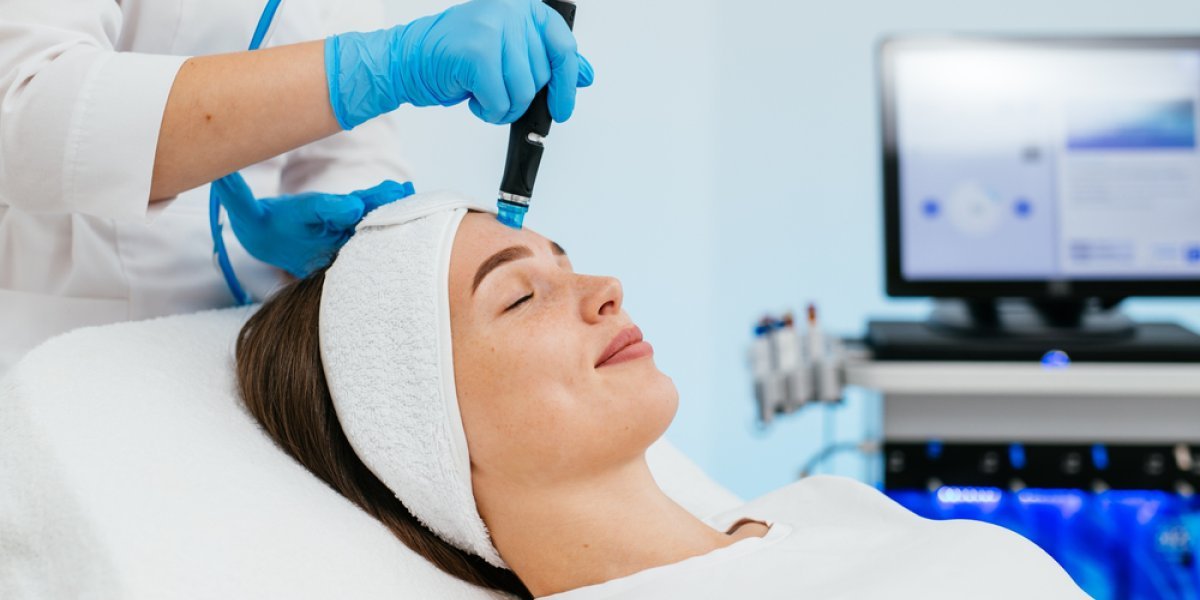
Hydropeel
-
Callus care
-
Fungal treatment
-
Wart treatment
-
Cracked heels
-
Treatment of infected ingrown nails
-
Nail abnormalities
What is chemical peeling?
Chemical peeling is the process of applying chemical agents to the skin to rejuvenate it.
What is it used for?
-
Acne treatment
-
Treatment of scars and spots left after acne
-
Eliminating wrinkles and fine lines
-
Shrinking enlarged pores
-
Removal of pregnancy-related pigmentation
How is skin renewed?
As we age the collagen and elastin fibers in the skin degrade, leading to fine lines and wrinkles. With chemical peeling the damaged top layer of skin is removed in a controlled manner, allowing the intact underlying layer to regenerate and produce more organised new tissue.
Dermal filler injections: One medical method for addressing age-related wrinkles and reshaping the face. To eliminate wrinkles, treat scars, fill depressions, thicken thin lips or add volume to cheeks, dermal fillers—recognized as natural by the body—are injected beneath the skin where collagen and elastin have diminished.
Where can fillers be applied?
-
Fine lines above the lips
-
Lines at the corners of the mouth
-
Nasolabial folds (lines from the nose to the mouth)
-
Forehead lines
-
Lip augmentation
When filler is injected beneath the wrinkle it absorbs water and swells, tightening the area and eliminating the wrinkle for about 6–12 months. Although temporary, it produces smoother skin and a younger appearance. It also removes the tired expression from the face.
What is a Dermaroller?
A Dermaroller is a mechanism consisting of very fine needles on a rotating cylinder, used to stimulate the skin.
What is it used for?
The micro-needles create micro-channels in the skin. These micro-channels are perceived as tiny wounds, and within 10–15 minutes they begin to close. The skin’s natural wound healing process is triggered, which stimulates growth factors, collagen, elastin and hyaluronic acid production. This results in skin renewal in that area. Unlike other products that try to replenish or support missing building blocks, dermarolling actually promotes new tissue formation under the skin while providing support and protection.
What is Mesotherapy?
Mesotherapy is a technique where vitamins, minerals, amino acids, enzymes and homeopathic medicines are injected via micro-injections into the middle layer of the skin.
It is especially preferred for hair loss and hair revitalisation. Depending on the severity of the problem it is applied every 5–7 days, for a minimum of 6 sessions. It is FDA approved. It is applied with very fine needles at certain angles to selected areas. It can be applied to healthy adults aged 16–75. The needle used in mesotherapy is extremely fine; therefore no pain is felt during the procedure. Results can typically be observed after an average of three sessions.
Other usage areas:
Esthetic use:
-
Cellulite treatment and regional slimming
-
Facial rejuvenation and skin rejuvenation
-
Stretch mark and scar treatment
Medical use:
-
Rheumatology and joint pain
-
Sports injuries
What is PRP Treatment?
PRP stands for Platelet-Rich Plasma. In PRP therapy the patient’s own blood is drawn and processed in a special centrifuge. Then the plasma part, separated from the red blood cells, is applied to the patient’s skin using methods such as mesotherapy or fillers.
What is the purpose?
Platelets are cells in our body responsible for clotting and contain growth factors that heal damaged blood vessels and tissues. When tissues are damaged, platelets initiate the repair process. In PRP application we can deliver far more platelets and growth factors to the target area than would otherwise reach via blood circulation.
Where can it be applied?
-
Facial rejuvenation procedures
-
Immediately after laser or peeling applications
-
In the treatment of long-healing wounds and stretch marks
-
In hair loss problems
-
To reduce wrinkles and give the skin an elastic and luminous structure
What is Hair Loss?
Human hair grows in cycles of growth and rest and extends approximately 6–10 mm per month. At the end of its life cycle hair sheds either naturally or due to brushing, combing or washing. Normally daily hair loss is 50-100 strands. Hair loss may lead to aesthetic concerns, psychological issues, and lack of self-confidence.
What are Hair Treatments?
-
Hair Mesotherapy
-
PRP (Platelet-Rich Plasma) Treatment
-
Medical therapies
-
Care treatments
-
Hair transplantation, which must be performed by plastic surgeons in operating-room conditions
How is FUE Hair Transplantation Performed?
Using specially fine-tip needles single hair follicles are harvested from the nape or certain areas of the body one by one, and then transplanted into the thinning or fully bald area.
What is Cryotherapy?
Cryotherapy involves the application of a substance with tissue-freezing capability to the lesion area, either by spraying the substance or by applying a metal piece cooled with the substance.
Which conditions can it be used for?
-
Warts (including genital warts)
-
Molluscum contagiosum
-
Sun spots
-
Epidermal cysts
-
Seborrheic keratosis
-
Actinic keratosis
-
Dermatofibroma
-
Severe acne
-
Ingrown nails
-
Keloids
-
In some skin tumors especially in older patients cryotherapy offers treatment without the need for surgery. Recurrence rates of warts after cryotherapy are lower compared to other methods.
What is a Mole (Nevus)?
Moles are benign skin lesions arising from melanin-producing cells called melanocytes. These lesions are often round or oval and range from about 3 mm to 20 cm in diameter.
How to Recognise Malignant Change in a Mole?
If an existing mole suddenly grows, darkens in colour, develops irregular borders, itches or bleeds — signs different from other moles — you should consult a dermatologist. Such signs may be early indicators of skin cancer.
Are Moles in Older Age Automatically Malignant?
Moles appearing at older age should not be assumed malignant immediately, but they should be examined by a dermatologist. If required, a pathological investigation may follow. The common belief that “moles should not be touched” is misleading. A mole presented timely to a dermatologist and removed surgically if necessary is fully examined and helps early diagnosis of potential skin cancer.
What is Malignant Melanoma?
Malignant melanoma is a type of skin cancer that develops from melanocytes — the pigment-producing cells in the skin. It is the most serious form of skin cancer. Melanoma may develop from pre-existing moles or from moles that appear later.
What Are the Risk Factors?
-
A personal or family history of melanoma
-
Having more than 50 moles
-
Having dysplastic nevi
-
Having a giant congenital nevus
-
Having freckles since childhood or adulthood
-
Being on immunosuppressive treatment
-
Having sun-sensitive skin
-
Excessive sun exposure
When Should We Suspect It?
A changing or evolving nevus is the most important risk factor for melanoma. Change in size, shape or colour of an existing mole, with bleeding or itching, occurs in about 80 % of melanoma patients.
What is Allergy?
Allergy is an abnormal immune response by the body to a usually harmless substance or substances. The immune system produces antibodies against that substance(s). Although responses vary between individuals, allergic reactions can result in redness or swelling of the skin, eyes, airways or digestive system. Rarely, it can lead to life-threatening anaphylaxis.
What is an Allergen? Common Allergens?
An allergen is any substance that causes an allergic reaction. The most common allergens include:
-
House-dust mites
-
Pollens from trees and grasses
-
Mould fungi
-
Proteins produced in the saliva and sebaceous glands of animals (especially dogs and cats) and transmitted via their fur
-
Bee and insect venoms
-
Certain foods such as nuts, egg, milk and seafood
What are Allergy Symptoms?
Respiratory symptoms:
When a person with allergies encounters an allergen, the substance histamine is released. Edema forms in the upper airways and mucus production increases. This results in sneezing, runny nose, sore throat and watery eyes. In the lower airways the edema and excess mucus narrow the bronchi, causing shortness of breath, wheezing and cough.
Skin symptoms:
Itching, redness and swelling may occur on the skin.
Digestive system symptoms:
Swelling may appear on the face, lips or tongue; if swelling occurs in the throat it can progress to anaphylaxis with life-threatening features.
What is Anaphylaxis?
Anaphylaxis is a serious allergic reaction that can be life-threatening. It presents with severe shortness of breath, weak and rapid pulse, low blood pressure and loss of consciousness. Immediate intervention is required.
How is an Allergy Diagnosed?
The patient’s symptoms are reviewed. If the complaints described above are present, allergy is suspected. A detailed history is taken regarding when symptoms occurred and whether there are allergic relatives. A physical examination is then performed. Based on these findings the patient is recommended an appropriate allergy test.
What Are Allergy Tests? How is the Prick Test Done?
Allergy tests can be done in three ways:
-
Through direct blood analysis.
-
By applying a small quantity of allergen to the skin surface.
-
By injecting allergen under the skin. The most common method is the prick test.
In a prick test the inner part of the forearm is most often used. If necessary the test may also be applied on the back. Drops of allergens are placed at specified intervals. After all allergens are placed, a lancet is used to puncture the skin to a depth of approximately 1 mm. After 15–20 minutes the test is evaluated by specialist doctors. A major advantage of the prick test is the rapid result.